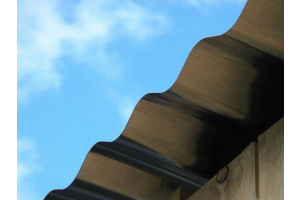
Corrugated roofing sheets come with many benefits. Not only are they affordable and quick to install, but they’re also available in numerous materials, which means they’re viable for an array of roofing projects, working well for outbuildings, garages, sheds, and agricultural buildings.
Are you looking for a breakdown of which material to go for? That comes down to a few factors. Let’s explore them in more detail.
Steel and Galvanised Corrugated Roofing Sheets
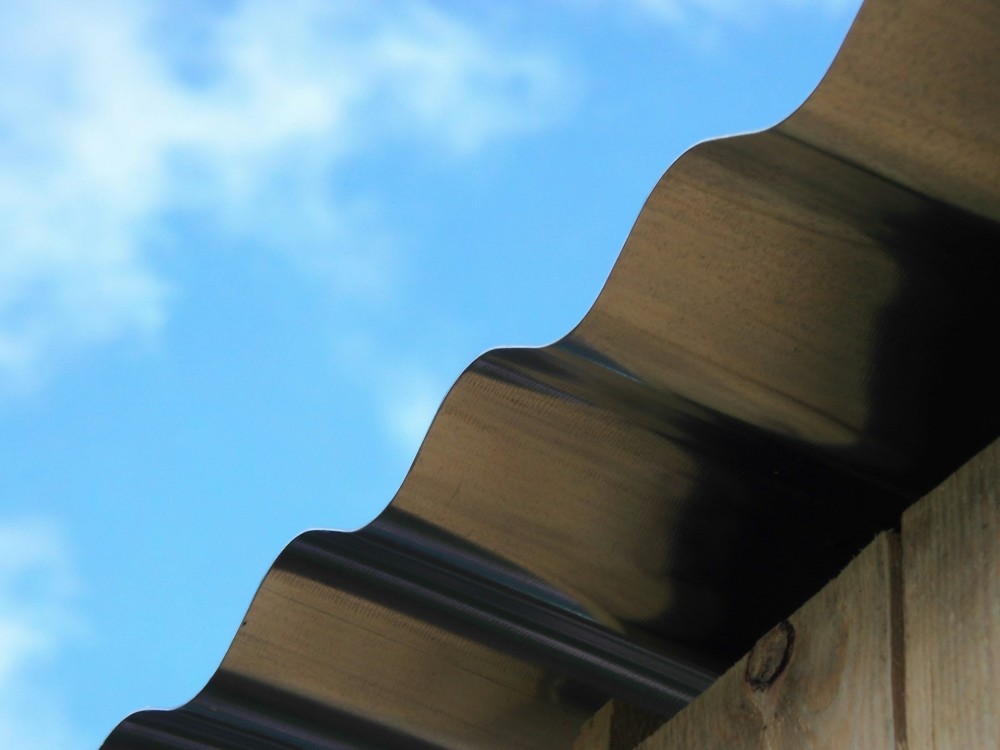
Steel corrugated sheets are usually supplied with a galvanised or polyester coating, and they’re the workhorse of the range. You’ll often find them in agricultural buildings and large garages, essentially any structure that needs to handle adverse weather for decades.
Typical uses: They’re a fantastic option for barns, farm buildings, garages, industrial units and larger outbuildings.
Lifespan: 25 years or more with a quality galvanised finish. Hot-dip galvanised steel holds up particularly well in exposed locations.
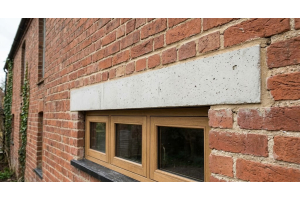
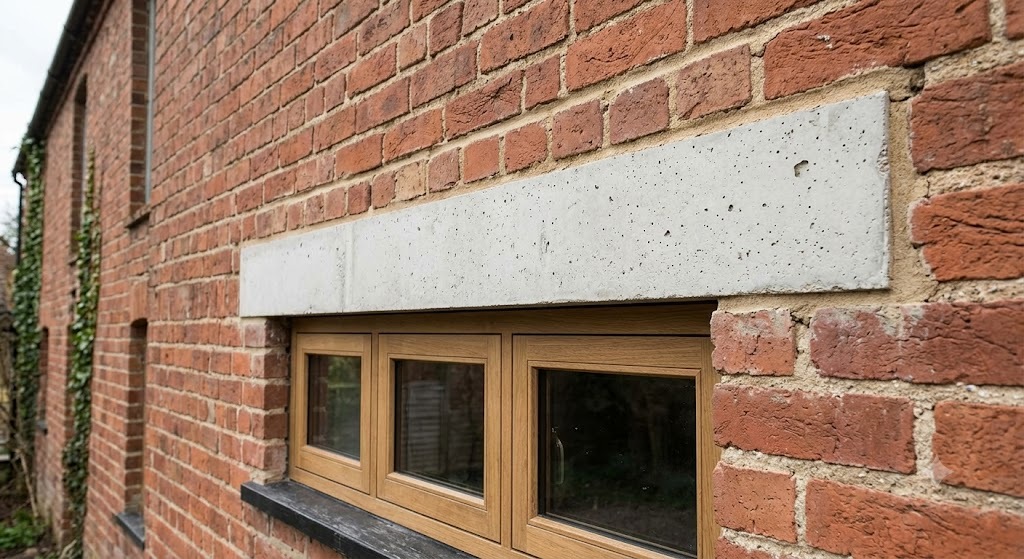
Above doors, windows, or wall openings, you will often find lintels sitting there, carrying the load of what sits above and redirecting the weight to the surrounding structure.
Not finding the right type of lintels can cause cracking or sagging. That’s why the Joseph Parr Bradford team has put together this guide that looks at the practical differences between steel and concrete lintels, so you can choose the right lintel for your job.
We’d like to note that the article is for general guidance only. Always consult a structural engineer or qualified professional for project-specific advice.
Steel Lintels
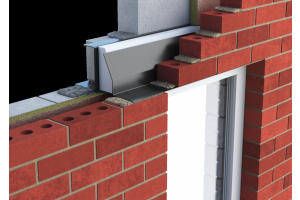
Steel lintels are pressed from galvanised steel and come in several profiles to suit different wall constructions.
L-shape, box section, and catnic profiles are some of the more common types.
Steel lintels can handle spans of 4.8m and beyond, depending on the profile, making them the go-to for wider openings where a concrete lintel would be impractical.
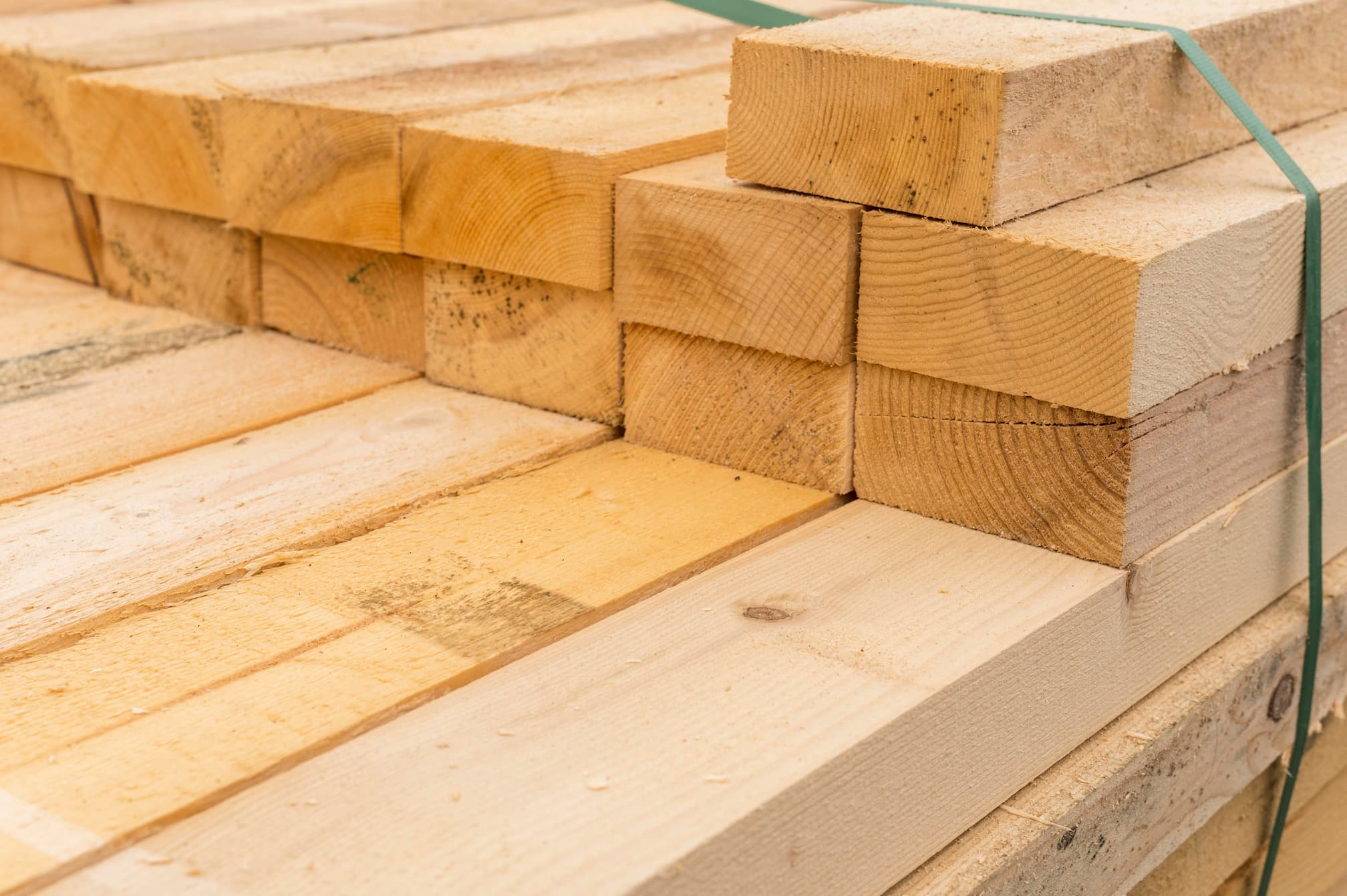
When you price up a roof, lay a new floor, or frame a stud wall, you’re likely to come across carcassing timber, though you may not recognise it initially. This hidden boning of every building plays a key role in the integrity and longevity of a structure.
Across building sites, carcassing timber plays the heavy lifting role, behind your plasterboard or floorboards. To break it down for you simply, it is the frame that everything else is fixed to, built around or hung from; the foundation, as it were.
Let’s examine the features of carcassing timber that make it an important substructure in most projects.
What Is Carcassing Timber Used For?
You might not know just how many applications this timber covers. While roof rafters, ridge boards, and ceiling joists are the most common uses for carcassing timber, it also forms the sole plates and head plates in stud wall partitions, the trimmer and header joists around openings, floor joists in timber-framed floors, and the firring pieces used to
It’s easy to appreciate the job lintels do, but not really give them much thought. Now, as things have developed, it’s useful for us to look at them in a different way, mainly due to energy performance requirements tightening.
Lintels matter far more than they used to; they’re now deemed one of the most important aspects of a standard specification on West Yorkshire new builds.
What a Thermal Break Actually Does
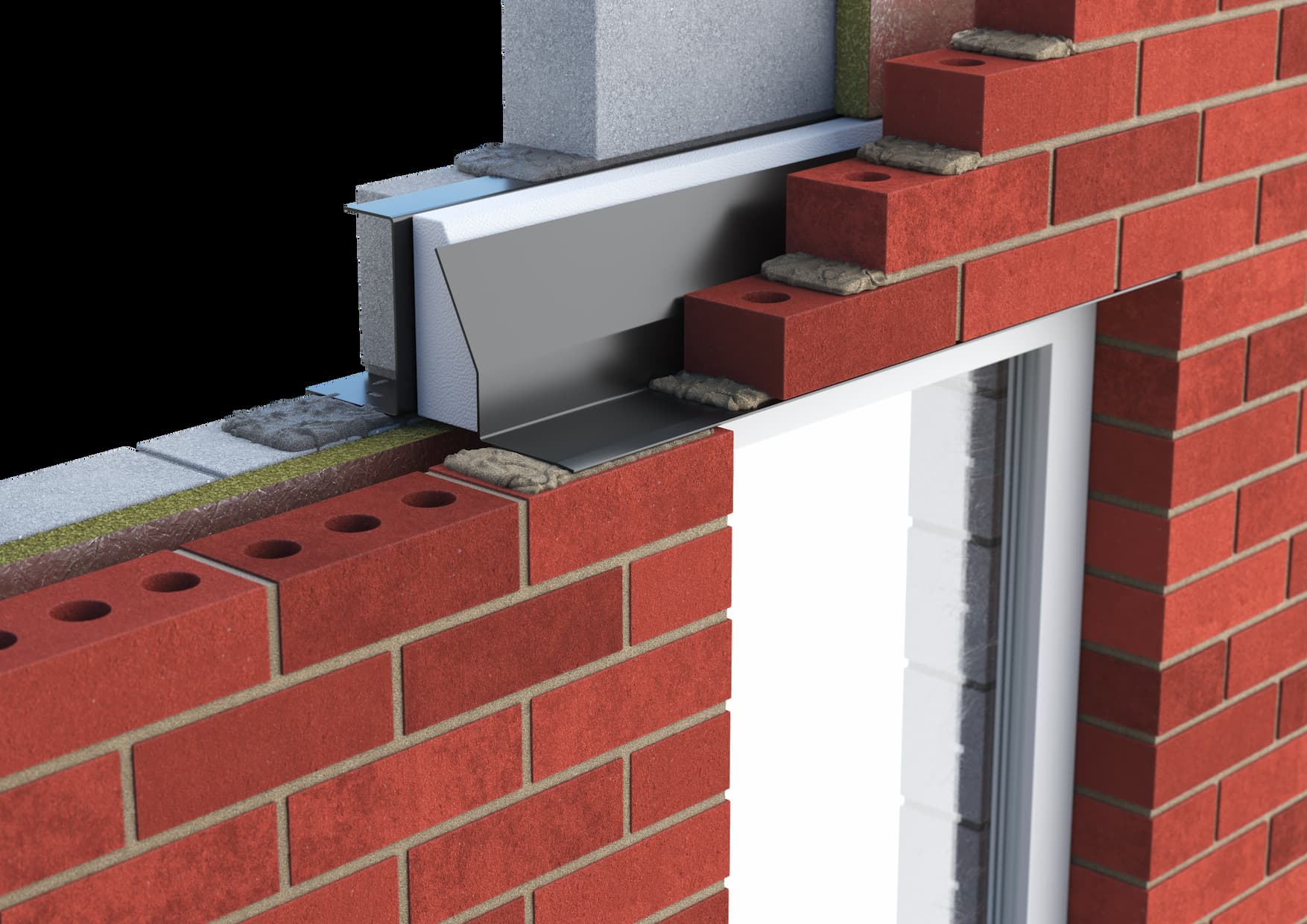
You’ll tend to find standard cavity wall lintels have a steel body that continues across the full wall width.
Steel is able to conduct heat well, meaning it creates a direct route for warmth to exit through the wall. This is thermal bridging. The main places it happens are in window and door heads.
A thermally broken lintel interrupts the steel with a physical break filled with insulating material, so the inner and outer leaves are no longer connected by a conductive metal path. The psi value, which is how heat loss at a junction is measured, can drop from 0.5 W/mK on a standard
When you’re putting the finishing touches on a room, plaster is key, but what often flies under the radar is sourcing the right amount of plaster, which is the trickiest part.
Whether you’re unsure of costs or how much you need, the Joseph Parr Bradford team is here to help, whether you’re a seasoned plasterer or a budding DIYer. Here’s all you need to know about multi-finish plaster.
What Does a 25kg Bag of Multi-Finish Plaster Cost?
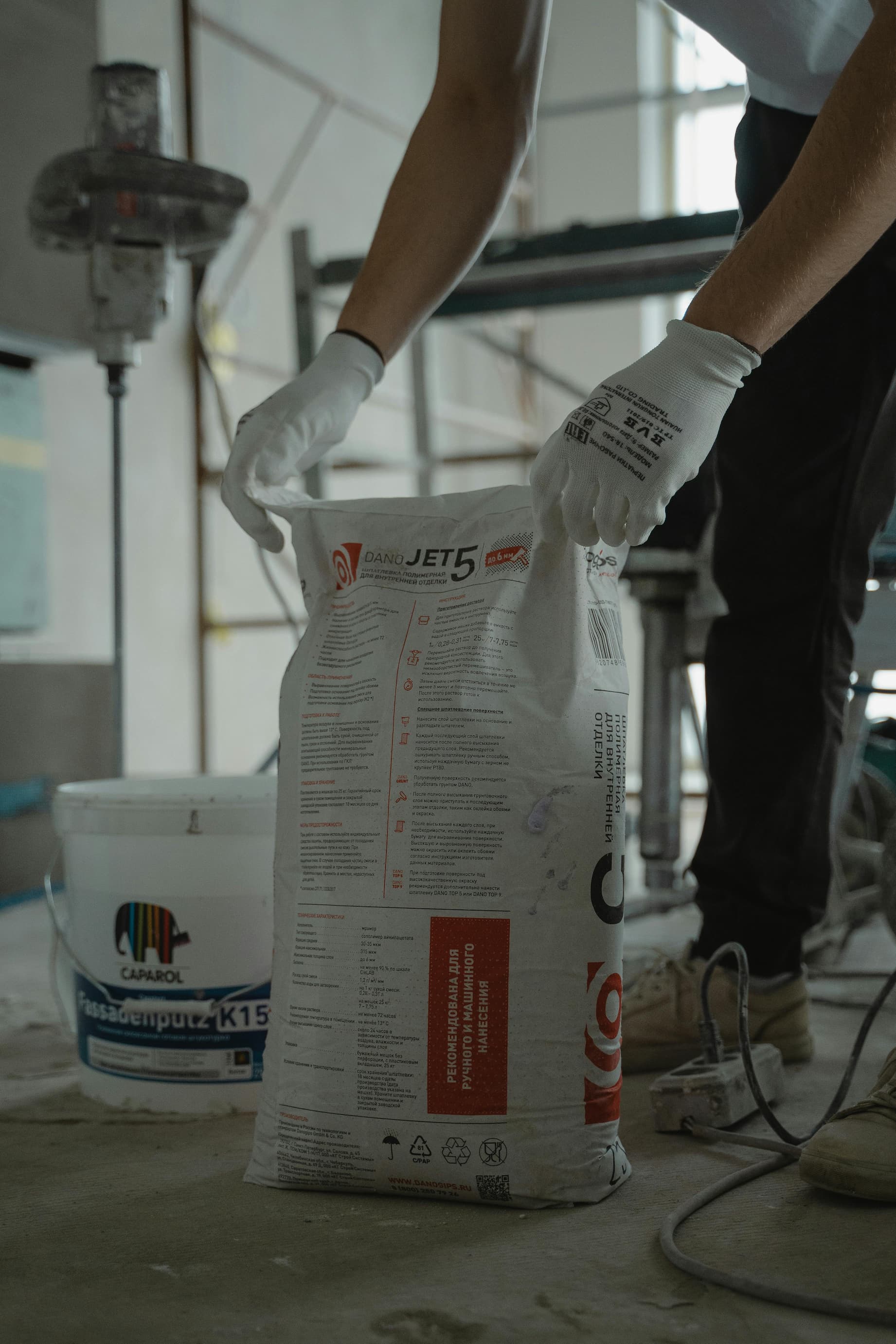
A 25kg bag of Thistle Multi-Finish typically costs between £12 and £15, including VAT, from a trade counter or builders' merchant. DIY sheds tend to charge more, and you'll often find stock is inconsistent.
If you're doing a big job, buying in bulk from a local merchant is always the smarter move. The unit price drops when you're buying several bags at once, and you avoid paying delivery surcharges on heavy goods.
How Far Does a 25kg Bag of Multi-Finish Plaster Go?
With the regular 2mm skim coat thickness, a 25kg bag covers around 10m². On a high-suction