Plasterboard isn't a single product. There are five main types in common use, each with a different core composition, and putting the wrong one in the wrong place either fails an inspection or fails in use. This guide covers what each board is designed for, where it shouldn't go, and the sizes and thicknesses you'll encounter on most jobs.
What Are The Main Types of Plasterboard?
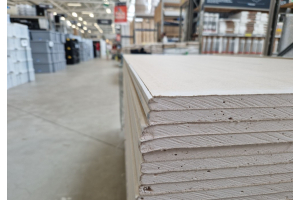
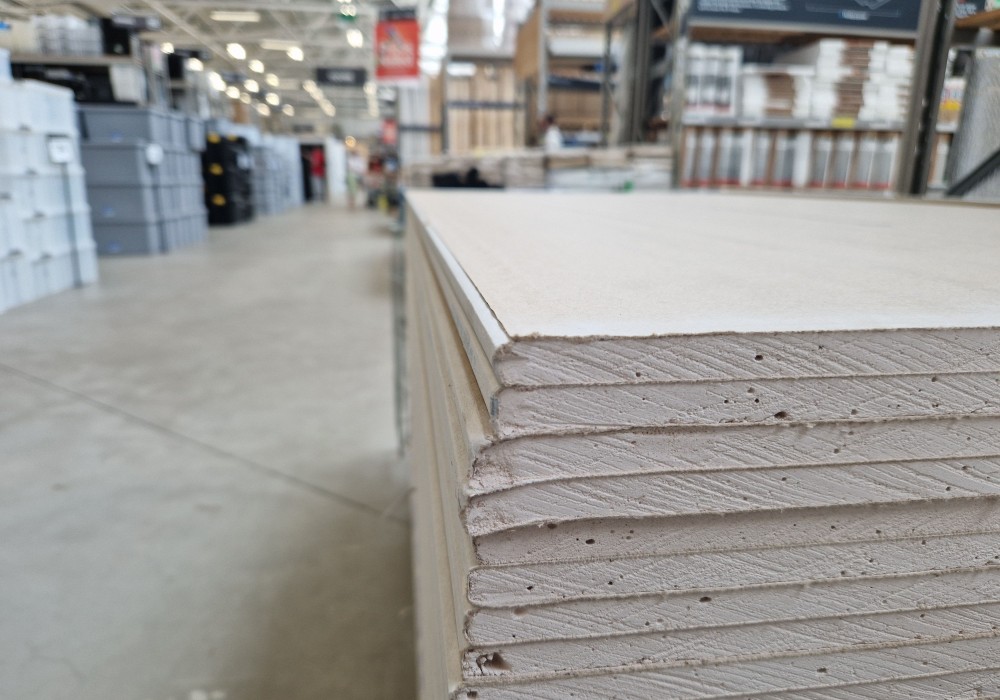
Standard plasterboard is the default for dry internal walls and ceilings where there's no moisture risk, no fire requirement and no acoustic consideration. Ivory or white faced, available in multiple sizes, and it's what the majority of residential first and second fix work is done with. If the room is dry and internal, this is usually the right board.
Moisture resistant plasterboard has a green tinted face and core treated to handle humidity and occasional moisture exposure. It is great for kitchens, bathrooms, and utility rooms, especially behind tiles. Remember, it isn’t waterproof.
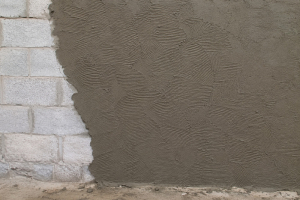
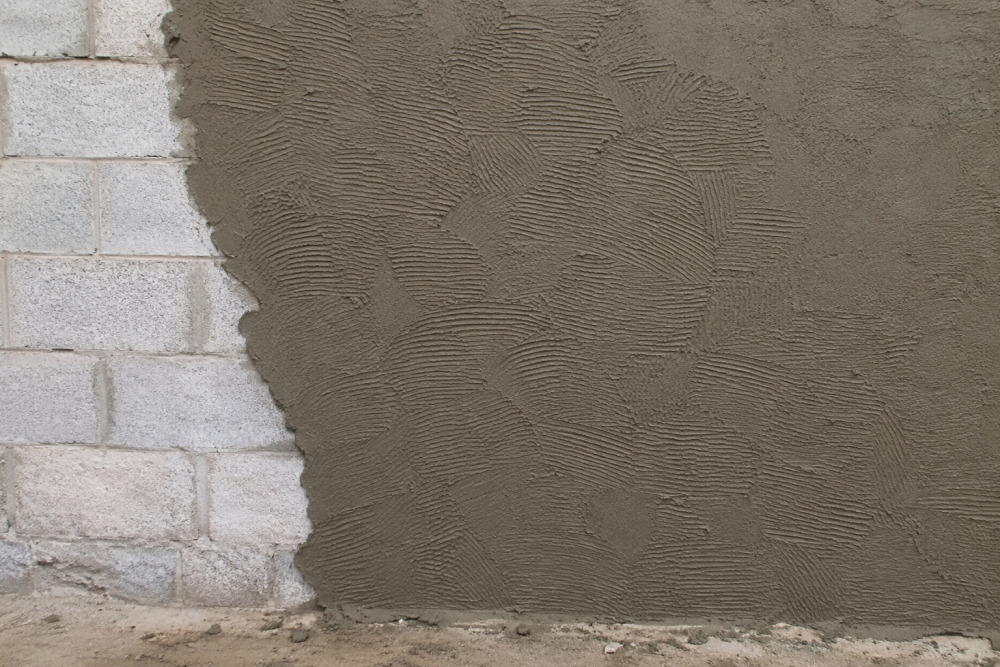
Bonding plaster is an undercoat plaster for dense, low-suction backgrounds where browning won't adhere. Concrete blocks, in-situ concrete, painted surfaces, smooth brick. If the wall doesn't have enough suction to hold a standard browning coat, bonding is what you use instead. It's gypsum-based, goes on at 8 to 12mm thick, and works by creating a mechanical key on surfaces that would otherwise cause the finish coat to fail. Unlike browning, which relies on the background absorbing moisture to set properly, bonding is formulated to grip where that absorption just isn't there. That's the core difference, and it's why using the wrong product on the wrong background causes problems further down the line.
What Is Bonding Plaster Used For?
Bonding plaster prepares dense or non-porous surfaces before a multi-finish skim and it is the right undercoat when the background won't absorb enough moisture for browning to grab hold.
New builds with dense aggregate blocks are a common scenario. So are