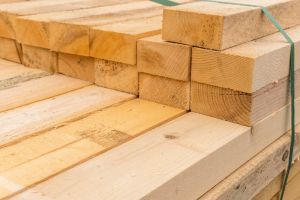
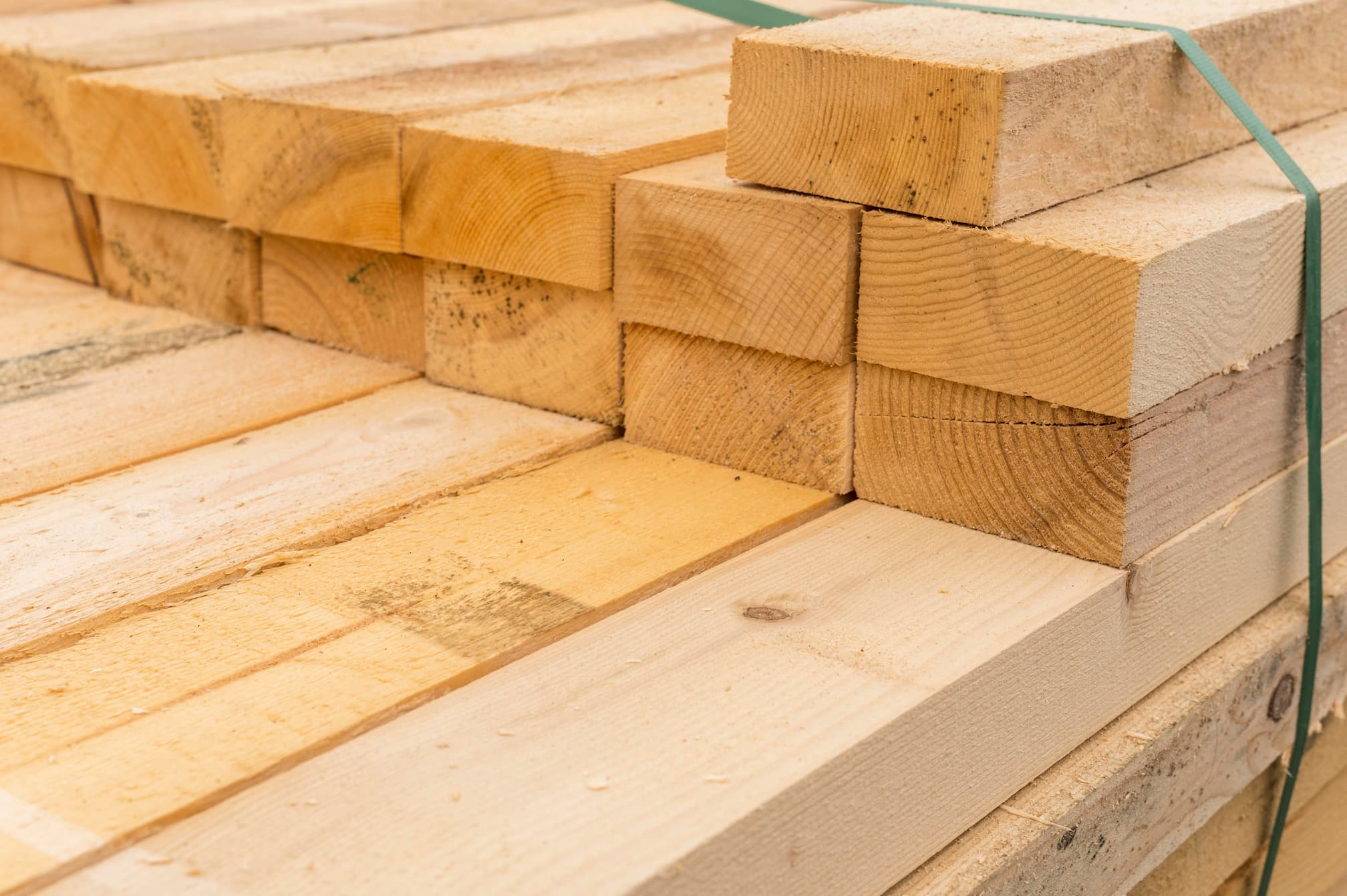
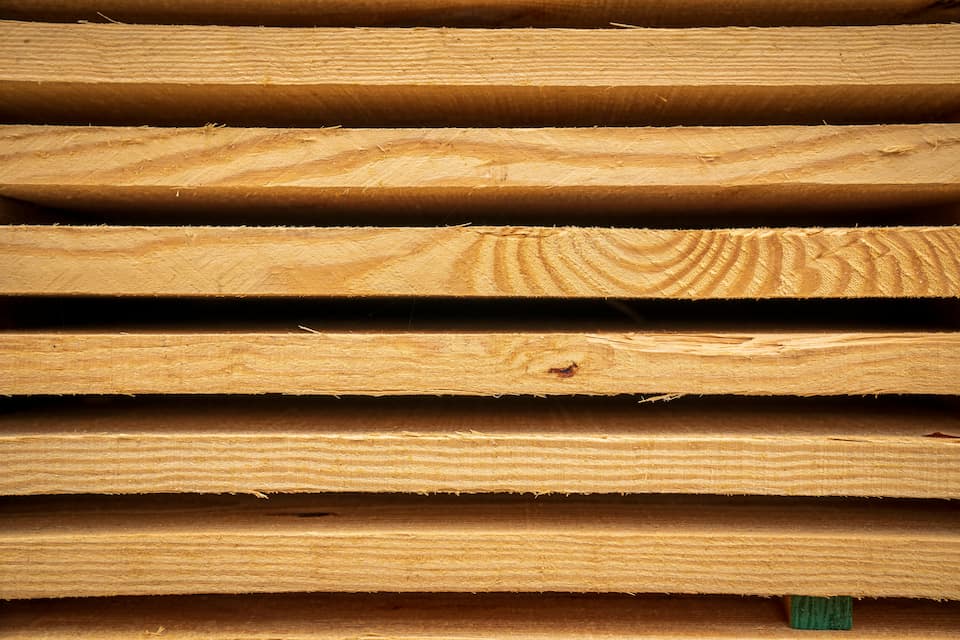
When you price up a roof, lay a new floor, or frame a stud wall, you’re likely to come across carcassing timber, though you may not recognise it initially. This hidden boning of every building plays a key role in the integrity and longevity of a structure.
Across building sites, carcassing timber plays the heavy lifting role, behind your plasterboard or floorboards. To break it down for you simply, it is the frame that everything else is fixed to, built around or hung from; the foundation, as it were.
Let’s examine the features of carcassing timber that make it an important substructure in most projects.
What Is Carcassing Timber Used For?
You might not know just how many applications this timber covers. While roof rafters, ridge boards, and ceiling joists are the most common uses for carcassing timber, it also forms the sole plates and head plates in stud wall partitions, the trimmer and header joists around openings, floor joists in timber-framed floors, and the firring pieces used to
It’s easy to appreciate the job lintels do, but not really give them much thought. Now, as things have developed, it’s useful for us to look at them in a different way, mainly due to energy performance requirements tightening.
Lintels matter far more than they used to; they’re now deemed one of the most important aspects of a standard specification on West Yorkshire new builds.
What a Thermal Break Actually Does
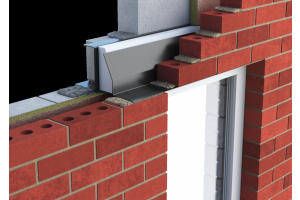
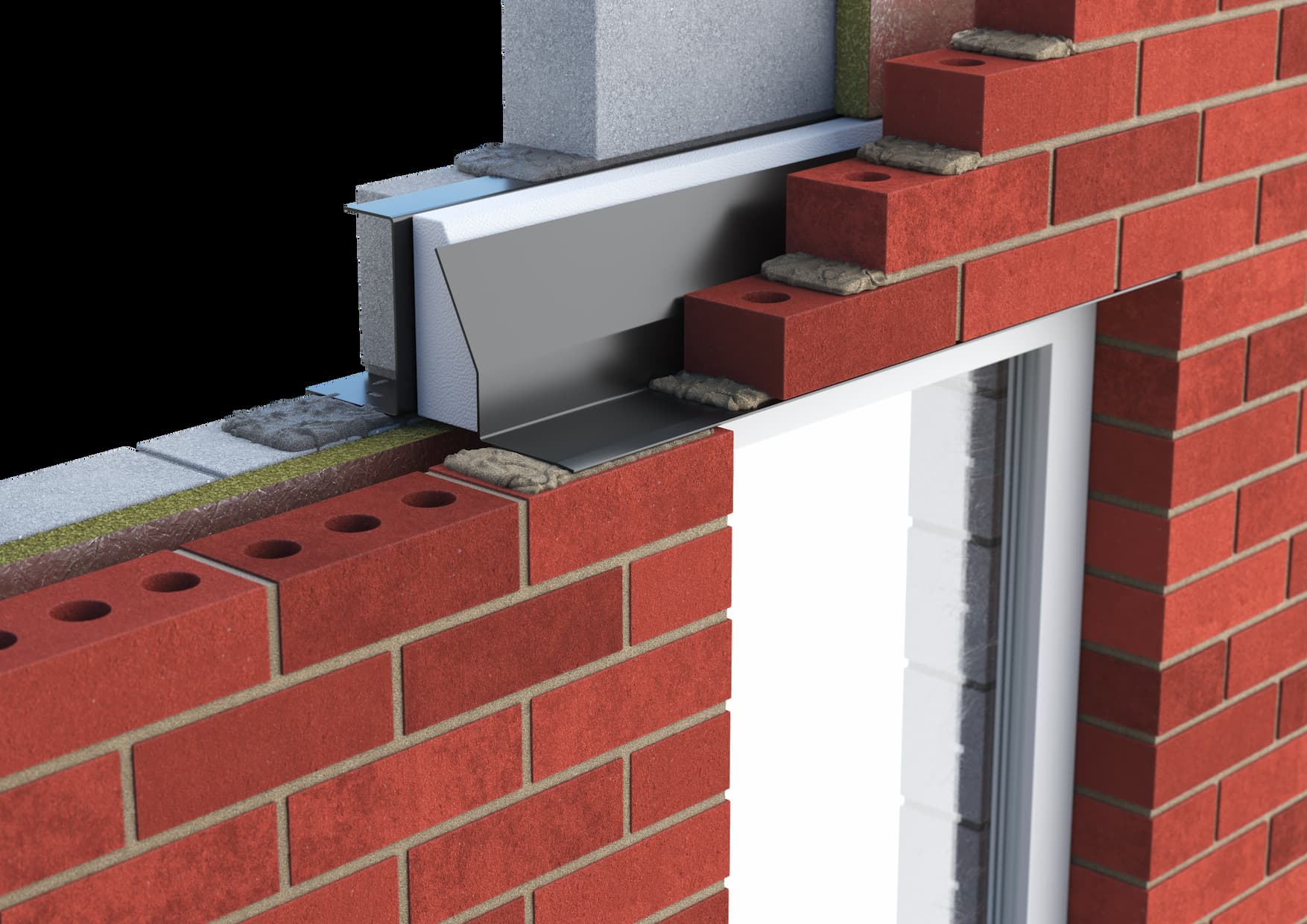
You’ll tend to find standard cavity wall lintels have a steel body that continues across the full wall width.
Steel is able to conduct heat well, meaning it creates a direct route for warmth to exit through the wall. This is thermal bridging. The main places it happens are in window and door heads.
A thermally broken lintel interrupts the steel with a physical break filled with insulating material, so the inner and outer leaves are no longer connected by a conductive metal path. The psi value, which is how heat loss at a junction is measured, can drop from 0.5 W/mK on a standard
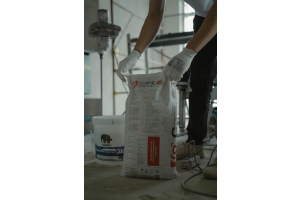
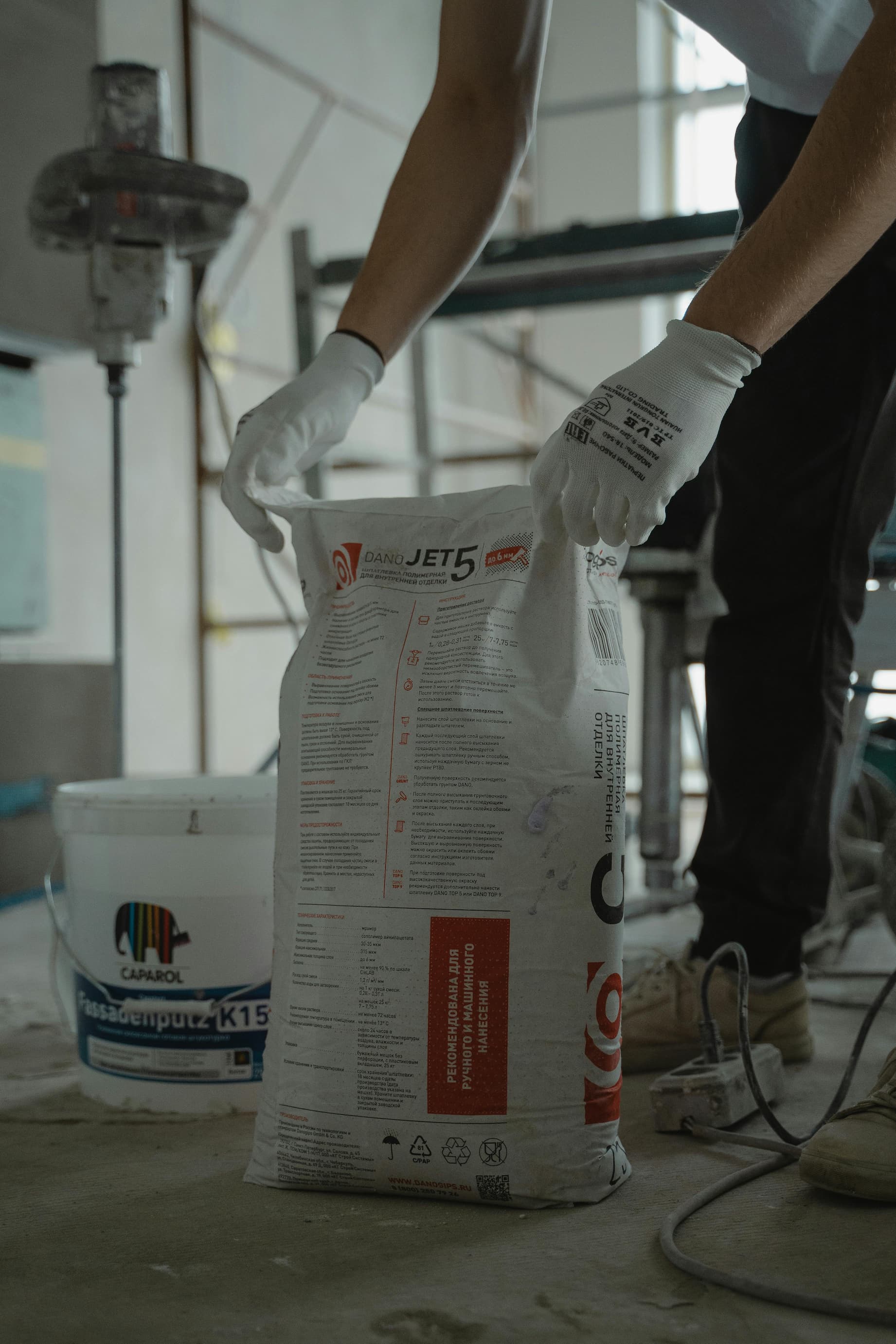
When you’re putting the finishing touches on a room, plaster is key, but what often flies under the radar is sourcing the right amount of plaster, which is the trickiest part.
Whether you’re unsure of costs or how much you need, the Joseph Parr Bradford team is here to help, whether you’re a seasoned plasterer or a budding DIYer. Here’s all you need to know about multi-finish plaster.
What Does a 25kg Bag of Multi-Finish Plaster Cost?
A 25kg bag of Thistle Multi-Finish typically costs between £12 and £15, including VAT, from a trade counter or builders' merchant. DIY sheds tend to charge more, and you'll often find stock is inconsistent.
If you're doing a big job, buying in bulk from a local merchant is always the smarter move. The unit price drops when you're buying several bags at once, and you avoid paying delivery surcharges on heavy goods.
How Far Does a 25kg Bag of Multi-Finish Plaster Go?
With the regular 2mm skim coat thickness, a 25kg bag covers around 10m². On a high-suction
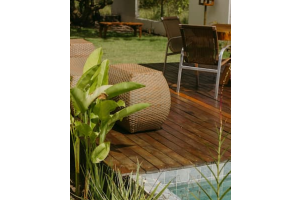
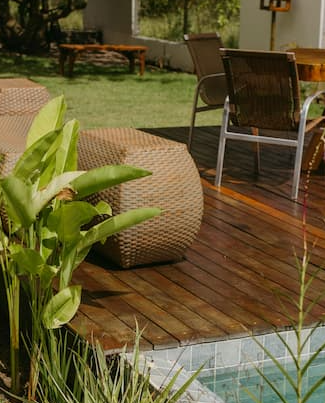
Too often, we see homeowners look at their uneven outdoor space and jump to the assumption that decking isn’t a viable option for them. The reality is that decking is definitely a possibility, with the right approach.
If you’re interested in laying decking outside, but are unsure of how to navigate the process on uneven ground, read on. This is how to build decking on a slope, helping you pick the right method before you actually go ahead with buying things.
Which Method Do You Need?
The method isn’t a one-size-fits-all one when it comes to uneven ground:
Ground-level deck (gentle unevenness, under 300mm variation)
Use adjustable deck feet on a compacted MOT sub-base. The feet screw up and down to compensate for dips and bumps without any post digging.
Raised deck on a slope (300mm+ drop or significant gradient)
You need a post-and-bearer frame. Posts are set at varying heights into concrete footings, carrying a level frame above the uneven ground below.
Vac-vac treated timber is timber that has been preserved using a double-vacuum process: air is first drawn out of the timber under vacuum, preservative is then introduced into the chamber, and a second vacuum follows to remove any excess chemical. This leaves the wood protected but with a lighter, drier finish than full pressure-treated alternatives.
It's a method that often gets overlooked in favour of tanalised timber, but for the right application, vac-vac is actually the smarter choice. Here's what you need to know.
How the Vac-Vac Process Works
Traditional pressure treatment forces preservative deep into the timber under sustained positive pressure. Vac-vac takes a different approach:
Vacuum 1: The chamber is evacuated, drawing air out of the timber's cells
Preservative fill: The chamber is flooded with preservative solution
Vacuum 2: A second vacuum removes excess preservative from the surface
The result is timber with good preservative penetration in the outer zones, but without
In the construction trade, you will hear about rough sawn timber often, as it lies at the very beginning of the timber processing journey and plays a vital role in how wood is chosen, prepared, and utilised on-site or in the workshop. Prior to the refining and smoothing of timber, it starts as raw, otherwise known as rough sawn timber. Ready to find out more about the advantages of using rough sawn timber in your next project? This guide will break it down.
What is Rough Sawn Timber Used For?
Rough sawn timber is often chosen when appearance isn’t the priority, and the main requirements of the project relate to strength, practicality, and cost efficiency.
It is cut straight from the log without being smoothed or finished, which makes it a fantastic choice for hidden and structural projects.
A wide array of construction projects rely on rough sawn timber, namely floor joists, roof rafters, stud walls, and general framing. Builders commonly pick these sections when they are working with
Cavity wall insulation improves the energy efficiency of homes with cavity walls, which are two layer external walls with a small gap between them.
Cavity walls are very common in UK homes that were built after the 1920s and were initially designed to reduce dampness, but they can also let a lot of heat out. Insulating cavity walls keeps the heat in, reduces outside noise, and keeps energy bills to a minimum.
Insulation consists of small holes being drilled in the outside walls, before the injection of insulation material into the cavity; the process is relatively quick, cavity wall insulation typically takes a few hours.
While an energy-efficient method for many houses, not all homes are suitable for cavity wall insulation, such as solid walls with no cavities. If your home has existing damp problems and poor brickwork, trapping moisture can worsen these issues.
Professional insulation is key for completing the job effectively.
Wall panelling involves covering a wall with functional or decorative panels. Various panel materials can be used, including MDF, PVC, fabric, metal and stone.
Not only does it enhance the visual appeal of a wall, but it also protects it from damage like scuffs and moisture, and some acoustic wall panelling can even help provide soundproofing from external noise.
Wall panelling is commonly fitted in living rooms, behind beds, in hallways and staircases, as well as in office and hotel buildings. It’s becoming increasingly popular with homeowners, due to it being fairly simple to do yourself, given the complexity of the project.
What Material Should You Choose for Wall Panelling?
Want to lay a patio but aren’t sure where to start?
Read on as we provide a comprehensive guide on various materials options, and the steps involved when it comes to laying a patio.
Finding the Right Patio Material
There are a variety of different patio materials available, but finding the right one depends on your specific vision. Here are some of the materials that you can use to lay a patio:
Porcelain - Porcelain paving slabs offer a clean and modern look. The material is very durable, weather-resistant, and does not require much maintenance work.
Standard Paving Slabs - If you are wondering how to lay a patio without cement, paving slabs could be your answer. While it is possible to lay them with cement, it isn’t a necessity. This can speed up the installation process.
Sandstone - Another durable option, sandstone is textured, which prevents people from slipping on it, making it a popular choice in areas that receive rain.