
When you’re putting the finishing touches on a room, plaster is key, but what often flies under the radar is sourcing the right amount of plaster, which is the trickiest part.
Whether you’re unsure of costs or how much you need, the Joseph Parr Bradford team is here to help, whether you’re a seasoned plasterer or a budding DIYer. Here’s all you need to know about multi-finish plaster.
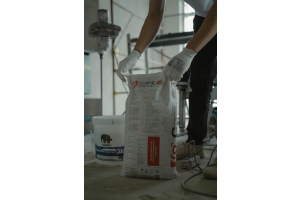
What Does a 25kg Bag of Multi-Finish Plaster Cost?
A 25kg bag of Thistle Multi-Finish typically costs between £12 and £15, including VAT, from a trade counter or builders' merchant. DIY sheds tend to charge more, and you'll often find stock is inconsistent.
If you're doing a big job, buying in bulk from a local merchant is always the smarter move. The unit price drops when you're buying several bags at once, and you avoid paying delivery surcharges on heavy goods.
How Far Does a 25kg Bag of Multi-Finish Plaster Go?
With the regular 2mm skim coat thickness, a 25kg bag covers around 10m². On a high-suction background, including old bare plaster, that figure can drop a bit, so always leave some room for a buffer.
Each bag needs around 11.5 litres of clean water to mix. Add plaster to water (not the other way round) and use a mechanical paddle mixer for a lump-free result.
The chart above shows how many bags you'd realistically need for common jobs, and what the material cost looks like.
A good method is to measure your total area in m², divide by 10, then add 10 or 15% for waste, patches, and the inevitable bit you drop off the hawk.
Here’s a breakdown of how much you need, and the cost, per room
:
Applying Multi-Finish Over Old Plaster?
This is feasible, but preparation does most of the work here.
Old plaster is often very porous. Without treating it first, it'll pull moisture from your fresh skim too quickly, and you'll end up with a patchy, unworkable mess before you've got halfway up the wall.
Before you skim, make sure to do the following:
Tap the wall first. Hollow sections or anything that moves needs cutting back and making good before you touch a trowel. No point skimming over a problem.
Control suction with a diluted PVA solution (roughly 1 part PVA to 5 parts water) applied to the wall and left to go tacky. You want it sticky, not wet, when you start plastering over it. Alternatively, a mist coat of clean water works on walls with moderate suction.
If the wall has been painted with a solvent-based paint, multi-finish may struggle to bond. In that case, a bonding agent or mechanical keying is worth the extra step.
Things to Note:
Temperature affects everything; plaster sets faster in warmth and slower in the cold. Avoid plastering in rooms that are genuinely freezing, and don't let fresh plaster get hit with direct sunlight, or it can dry unevenly and crack.
Apply a first coat, let it firm up, then apply a second in the opposite direction. As it stiffens, use a clean, damp trowel to polish it out along with a light mist of water for smoothness.
A light mist of water on the surface during polishing helps you get that smooth finish.
Dried bits of plaster on your hawk or trowel will drag lines across fresh work, so keep tools clean as you go.
Where to Source Your Multi-Finish Plaster in Yorkshire
Here at Joseph Parr Bradford, we supply a range of plastering options as part of our wider plasterboard range.
We’ve been in the trade long enough to know every project is different, and we’re always happy to offer local trades and DIY enthusiasts advice.