
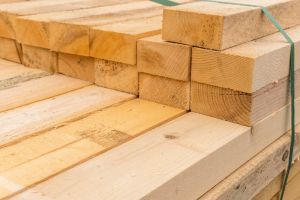
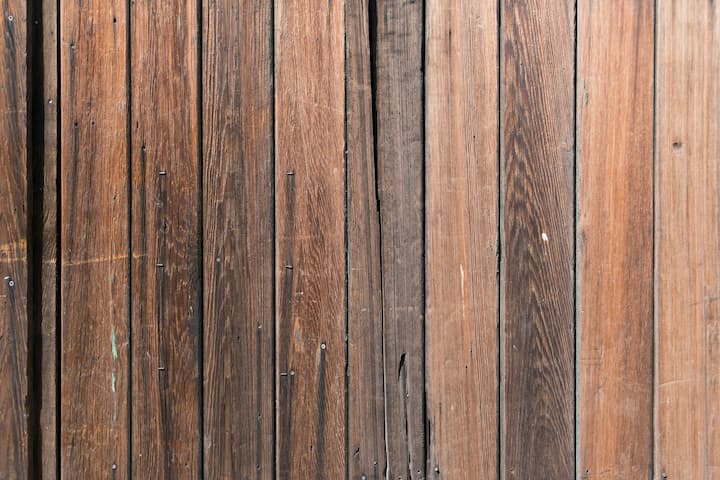
Vac-vac treated timber is timber that has been preserved using a double-vacuum process: air is first drawn out of the timber under vacuum, preservative is then introduced into the chamber, and a second vacuum follows to remove any excess chemical. This leaves the wood protected but with a lighter, drier finish than full pressure-treated alternatives.
It's a method that often gets overlooked in favour of tanalised timber, but for the right application, vac-vac is actually the smarter choice. Here's what you need to know.
How the Vac-Vac Process Works
Traditional pressure treatment forces preservative deep into the timber under sustained positive pressure. Vac-vac takes a different approach:
Vacuum 1: The chamber is evacuated, drawing air out of the timber's cells
Preservative fill: The chamber is flooded with preservative solution
Vacuum 2: A second vacuum removes excess preservative from the surface
The result is timber with good preservative penetration in the outer zones, but without the heavy saturation of full pressure treatment. It comes out drier, lighter, and with a cleaner surface, which matters when you're using it for joinery, frames, or internal structural work where you'll be cutting, fixing, or finishing it on site.
Vac-Vac vs Tanalised: The Key Differences
Tanalised treated timber refers to pressure-treated timber. The process drives preservative deeper into the wood under high positive pressure, resulting in higher retention levels throughout the cross-section.
That makes tanalised timber the go-to for external, exposed, or ground-contact applications; fence posts, decking joists, and structural outdoor framing. The deep treatment is what gives it durability in wet and high-moisture conditions.
Vac-vac sits in a different bracket. It's suited to applications where you need protection against damp risk and fungal attack, but don't need the timber to withstand prolonged water exposure or soil contact.
| Feature | Vac-Vac | Tanalised |
| Treatment depth | Shallow | Deep |
| Surface finish | Dry, clean, and light | Wet, oily, and heavier |
| Typical use | Internal structural frames | External and ground contact |
| Moisture resistance | Moderate | High |
| Relative cost | Lower | Slightly higher |
Where Vac-Vac Timber Is Typically Used
Vac-vac treated timber is the standard choice for:
Internal studwork and partition framing: where building regulations require treated timber, but external-grade treatment isn't necessary.
Roof joinery and trussed rafters: lighter weight is an advantage at height, and the cleaner surface takes adhesive and fixings well.
Door frames and window linings in damp-risk areas: where there's a chance of condensation or occasional moisture exposure, but not direct weathering.
Internal structural members in areas with moderate humidity, such as garages, utility rooms, or new-build ground floors.
Because vac-vac timber has a drier surface than full pressure-treated stock, it's also easier to paint, prime, or seal immediately, which saves time on finishing.
Treated and Vac-Vac Timber Available at Joseph Parr Bradford
Both vac-vac and tanalised treated timber are available at Joseph Parr Bradford, with a full range of section sizes to suit structural and joinery applications. If you're not sure which treatment is right for your project, the team can help you specify correctly. Get in touch or browse the treated timber range online.
FAQs
Is vac-vac timber waterproof?
No. Vac-vac treatment protects against fungal decay and insect attack, but it does not make timber waterproof. It improves resistance to damp conditions but should not be used where the timber will be in sustained contact with water, standing moisture, or soil. For those environments, tanalised or UC4-rated pressure-treated timber is the correct specification.
Can vac-vac timber be used externally?
In some above-ground external situations, such as sheltered cladding or covered framing, vac-vac may be acceptable, but it is not recommended for exposed external use. If the timber will be subject to weather, UV, or persistent moisture, tanalised pressure-treated timber is the stronger option. Always check the use class rating required for your specific application.
Which Treatment Do You Need?
The short answer: if it's going outside or touching the ground, choose tanalised. If it's going inside and needs protection from damp risk, vac-vac is a cost-effective and practical choice that's easier to work with on site.