
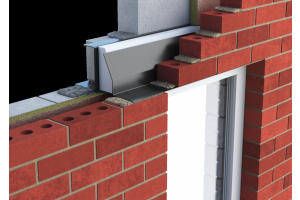
Cavity wall insulation improves the energy efficiency of homes with cavity walls, which are two layer external walls with a small gap between them.
Cavity walls are very common in UK homes that were built after the 1920s and were initially designed to reduce dampness, but they can also let a lot of heat out. Insulating cavity walls keeps the heat in, reduces outside noise, and keeps energy bills to a minimum.
Insulation consists of small holes being drilled in the outside walls, before the injection of insulation material into the cavity; the process is relatively quick, cavity wall insulation typically takes a few hours.
While an energy-efficient method for many houses, not all homes are suitable for cavity wall insulation, such as solid walls with no cavities. If your home has existing damp problems and poor brickwork, trapping moisture can worsen these issues.
Professional insulation is key for completing the job effectively.
What is PIR Insulation?
If your walls don’t have cavities, PIR insulation can be a more effective means of insulation.
PIR insulation stands for polyisocyanurate insulation and comes in the form of rigid foam panels that help buildings retain heat. PIR boards are very effective when it comes to preventing the escape of heat and, like cavity insulation, keep homes warm and reduce energy bills.
Another similarity between PIR insulation and cavity wall insulation is that hiring a professional is the best way to complete the project successfully.
Moisture-resistant, the panels are thin and effective and are commonly used when there is limited space for insulation and thick boards aren’t a practical option.
For an even thinner option, consider multifoil insulation.
What is in Cavity Wall Insulation?
Various materials can be used for cavity insulation to fill the gap between two layers of a cavity wall.
Common materials used for cavity wall insulation:
Mineral Wool: It is fibrous and provides strong thermal and acoustic insulation.
Polystyrene Beads: Small beads that are made of expanded polystyrene and effectively fill cavities.
PIR Foil-Faced Boards: They offer excellent insulation and a moisture barrier.
Polyurethane Foam: A liquid that expands to fill in the cavity, providing sealed gaps.
What is the Best Cavity Wall Insulation?
This depends on the structure of your home, climate, and your budget.
For example, polystyrene beads are budget-friendly and provide good cavity filling but slightly less insulation in extreme weather, whereas mineral wool will provide superior thermal insulation.
PIR foil-faced boards provide high insulation and moisture resistance, making them perfect for solid, well-maintained walls. For maximum efficiency, polyurethane foam is a good choice.
How Does Cavity Wall Insulation Work?
Here are the steps a professional will follow for cavity wall insulation:
An inspection of walls to make sure a cavity is present and they are suitable for insulation.
Drilling small holes around 2.5cm wide into the outer wall at regular intervals.
They will inject an insulation material into the cavity through the holes to fill the space.
Once the cavity is full, the holes will be sealed and made to blend in with the wall.
How Much Does Cavity Wall Insulation Cost?
The price of cavity wall insulation can vary depending on material and property size.
Approximate costs for different property types:
Flat: £950
Mid-terrace house: £1,500
Semi-detached house: £2,400
Detached house: £3,500 to £4,600
Approximate material costs per square metre:
Mineral Wool: £13 to £18
Polystyrene Beads: £18 to £22
PIR Foil-Faced Boards: £25 to £35
Polyurethane Foam: £30 to £65
How Long Does Cavity Wall Insulation Last?
When installed properly, cavity wall insulation can last between 25 and 40 years, making it a long-term solution.
Does Cavity Wall Insulation Cause Damp?
Cavity wall insulation can cause damp, but if installed correctly it shouldn’t.
If insulation blocks moisture from escaping or if there is existing wall damage, damp may build up but good installation can help mitigate these problems.
If your walls become damp after installation, it could either be an installation issue or a problem with the walls.
Shop Cavity Insulation Today
If your property has cavity walls, cavity wall insulation can be a great way to keep your house warm and cut down on energy bills. But it’s important to establish whether or not your house needs them or whether PIR would be a better form of insulation.
You can find insulation products right here at JP Bradford, with speedy local delivery, quotes, and expert guidance available.