
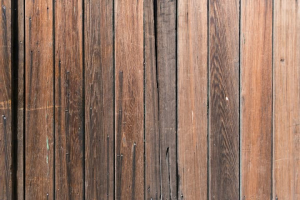
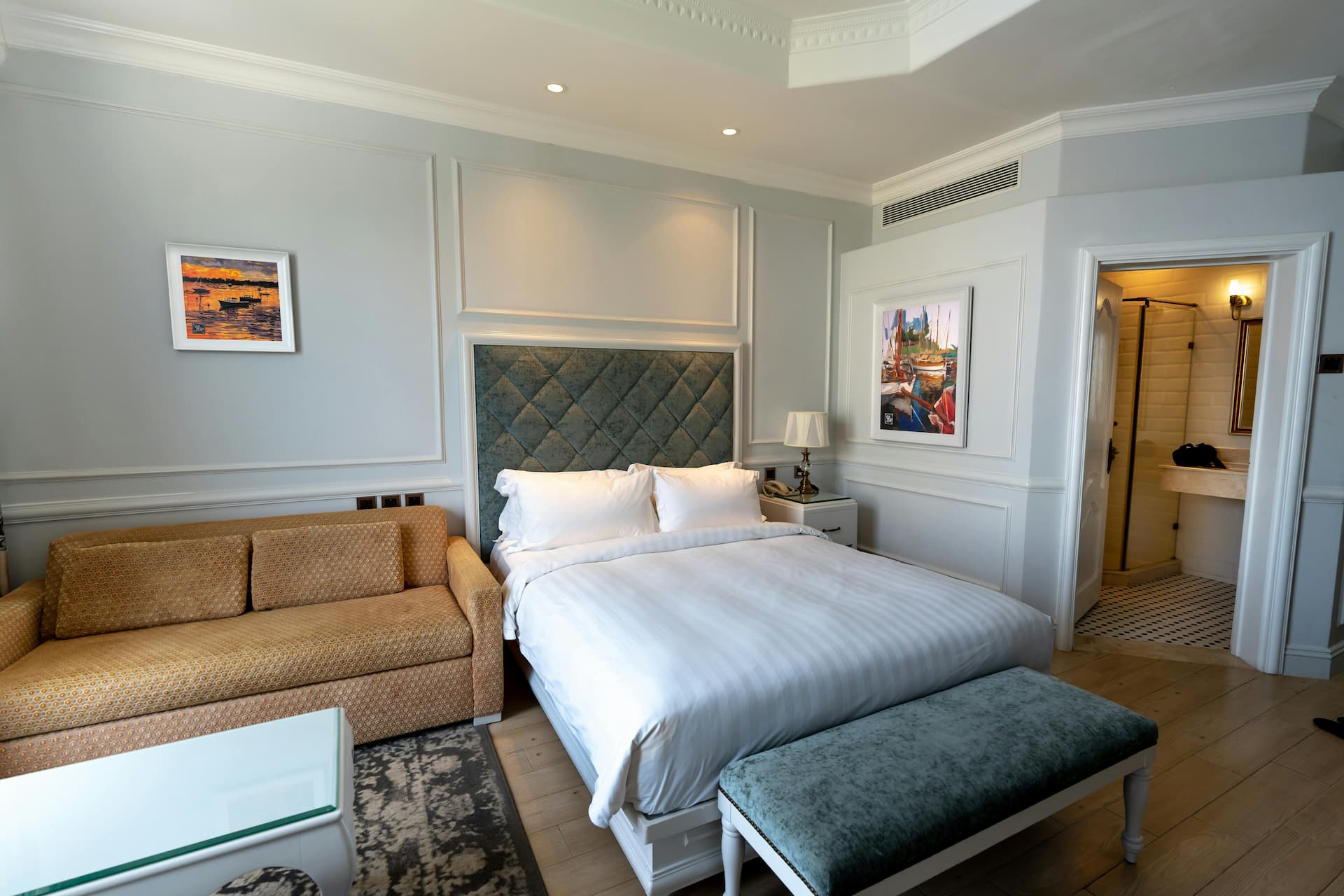
Wall panelling involves covering a wall with functional or decorative panels. Various panel materials can be used, including MDF, PVC, fabric, metal and stone.
Not only does it enhance the visual appeal of a wall, but it also protects it from damage like scuffs and moisture, and some acoustic wall panelling can even help provide soundproofing from external noise.
Wall panelling is commonly fitted in living rooms, behind beds, in hallways and staircases, as well as in office and hotel buildings. It’s becoming increasingly popular with homeowners, due to it being fairly simple to do yourself, given the complexity of the project.
What Material Should You Choose for Wall Panelling?
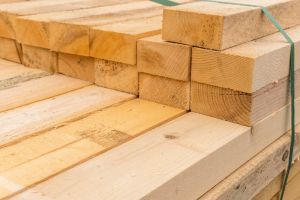
You can use several timber sheet materials for wall panelling, such as MDF, hardboards, and chipboards.
MDF is popular because it’s easy to work with and paint over, while plywood and hardwood offer durability.
Timber isn’t the sole option; PVC is a good choice if you want waterproof wall panelling, while metal is popular in commercial spaces because of its fire-resistance and modern aesthetic.
How to do Panelling on Walls
Here is a step-by-step wall panelling guide:
Measure the height and width of the wall, decide on your style and layout, and mark out clearly where each panel or trim piece will be placed.
Cut out your panels with your chosen material (timber is most commonly used) and sand the edges for a smooth finish.
Starting with the outer frame, attach the panels to the walls. Use adhesive or a nail gun and make sure the panels are level and evenly spaced out.
Fill in the gaps, seams, and nail holes by using a wood filler or caulk. Once dry (30 mins-2 hours), you can sand for a smooth look..
Seal the surface by applying primer. Paint with a colour of your choice, applying at least two coats after the primer is fully dry (1-2 hours).
How to Measure Wall Panelling
Fortunately, the measuring process for wall panelling is straightforward:
With a tape measure, measure the width of the wall from corner to corner.
Measure the height from floor to ceiling or to the height you want to cover.
Measure the width and height or doors, windows, or other wall openings.
Multiply width by height to measure the wall area, before subtracting the area of the openings.
Add 10-15% to the total square footage for cuts and any mistakes.
How High to do Wall Panelling
Standard wall panelling height usually falls between 32 and 36 inches (from the floor). This would typically cover the lower third of an average 8-foot wall.
For half wall panelling, the height would extend to around 48 inches to cover half of a standard wall.
Full wall panelling involves covering the whole wall from the floor to the ceiling, approximately 96 inches for a standard wall.
How to do Panelling on Stairs
Wall panelling your stairs is a great way to enhance the aesthetic of your staircase, and once again, you have lots of flexibility. You can choose a style, colour, and material to bring your vision to life.
Make sure to do the following:
Stairs are angled, so you should plan and adapt your design around the slope.
Stair rises and runs often vary, so create templates for every section before you cut the final panels.
Start from the bottom to maintain visual flow and stay aligned as you build upwards.
Conclusion
Wall panelling is an easy and affordable way to transform the look of any room. By sourcing your materials from a local timber merchant, you’ll often pay far less than big retailer prices, making your finished project look and feel even more rewarding.